Groceries are one of the few spending categories where a single card choice can change how much cash you keep each year. Most households spend a steady, predictable amount on food at home, so the right rewards rate compounds month after month. The catch is that issuers reward "groceries" in narrow, specific ways: a card might pay a high rate at supermarkets but nothing at a warehouse club, or cap the bonus at a set amount of spending. This guide walks through how grocery rewards actually code, the cards built around them, and how to match a card to your annual food budget.
How grocery coding works on credit cards
Card networks tag every merchant with a Merchant Category Code (MCC). When a card advertises a bonus on "U.S. supermarkets" or "grocery stores," it is paying that rate only to merchants coded as supermarkets. That distinction matters more than it sounds.
- Warehouse clubs like Costco and Sam's Club usually code as wholesale clubs, not supermarkets, so a grocery bonus typically does not apply there.
- Superstores like Walmart and Target often code as discount or department stores, so grocery cards may pay only the base rate on those purchases.
- Standalone supermarkets (regional chains, most traditional grocers) are the merchants that reliably trigger the bonus.
Two more details shape real-world value. First, many grocery cards cap the bonus spending per year, after which earnings drop to the base rate. Second, gift cards and prepared third-party services bought inside a grocery store sometimes code differently. If you are unsure how a specific store codes, a small test purchase and a look at the rewards line on your statement will tell you. Exact rates, caps, and excluded merchants vary by card and change over time, so confirm the current terms on the issuer site before you apply.
Amex Blue Cash Preferred — 6% at U.S. supermarkets
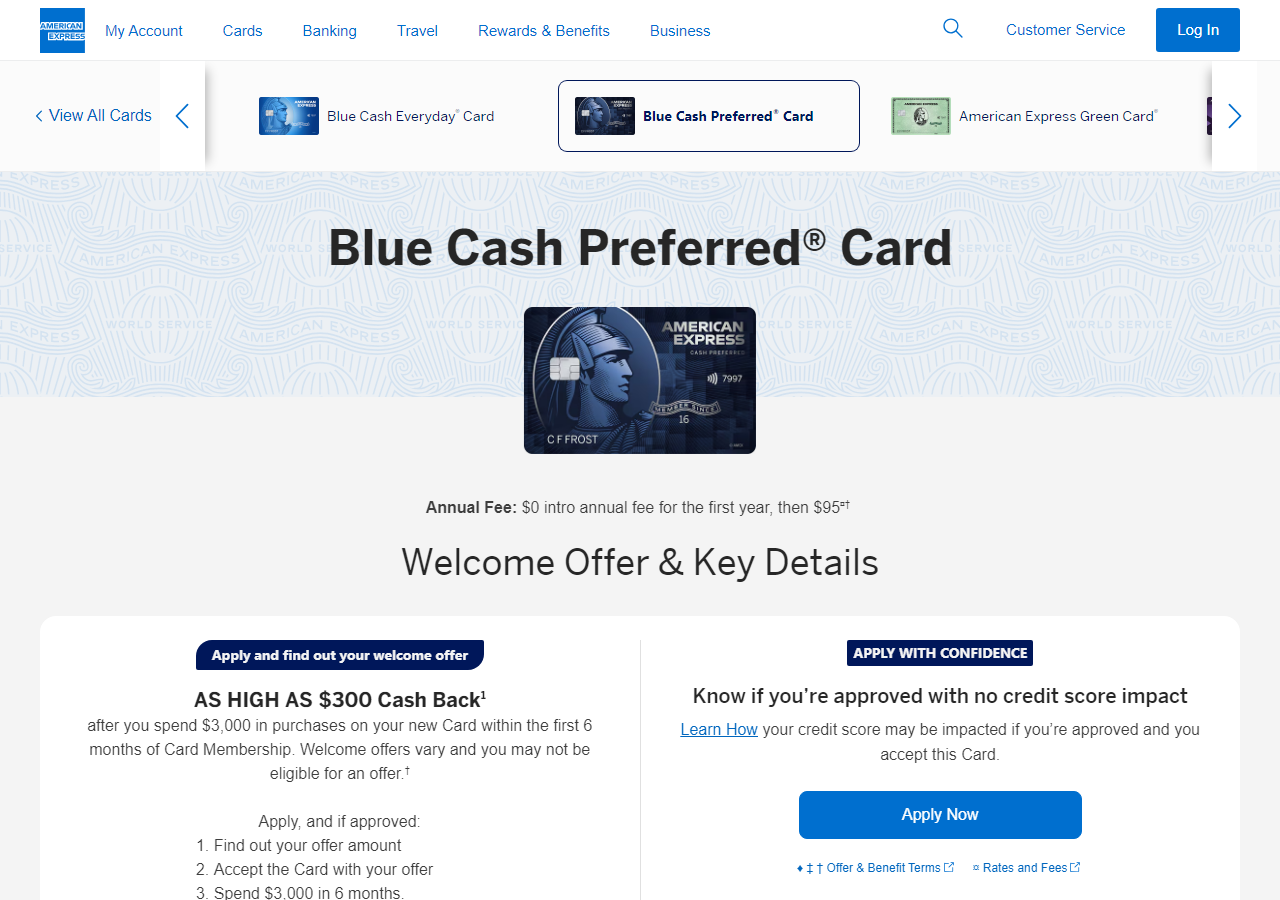
The Blue Cash Preferred from American Express is the card most often named for groceries because it pays a high cash back rate at U.S. supermarkets, subject to an annual spending cap on that category. Once you pass the cap, supermarket purchases earn the base rate for the rest of the year. The card also carries an annual fee, so it works best when your supermarket spending is high enough that the elevated rate clearly outearns a no-fee alternative.
A rough way to think about it: estimate your yearly supermarket spending (up to the cap), multiply by the difference between the Preferred's grocery rate and a flat 2% card, and compare that gap to the annual fee. If the math comes out ahead, the fee pays for itself. Amex also runs a no-fee Blue Cash Everyday with a lower supermarket rate, which can win for lighter grocery budgets. Current rates, the exact cap, and the fee can change, so verify them on the product page. For a broader look at the Amex lineup, see our roundup of the best American Express card options.
Citi Custom Cash when groceries are top category
Citi's Custom Cash takes a different approach. Instead of locking a high rate to supermarkets specifically, it pays an elevated cash back rate on your top eligible spending category each billing cycle, up to a monthly spending cap, and the base rate after that. Grocery stores are one of the eligible categories.
This card fits people whose grocery spending is meaningful but not enormous, and who like the idea of a card that adjusts automatically. If groceries are your biggest category in a given month, the bonus lands there without any enrollment. If you spend more on dining or gas that month, the bonus follows instead. Because the high rate is capped monthly, the Custom Cash is strongest for moderate budgets rather than large families with very high grocery bills. It also typically has no annual fee, which lowers the bar for it to be worthwhile. To compare it against other Citi products, read our guide to the best Citi credit card.
Chase Freedom Flex when groceries are quarterly 5%
Chase Freedom Flex earns an elevated rotating-category rate that you activate each quarter, up to a spending cap, plus fixed bonus categories and a base rate on everything else. Grocery or supermarket spending sometimes appears as a rotating quarter, but it is not guaranteed every quarter, and you have to remember to activate the category for it to count.
That makes the Freedom Flex a supporting player for groceries rather than a year-round grocery card. When supermarkets are the active quarter, the rate can be excellent for those three months. The rest of the year, you would lean on a different card for food. Because it has no annual fee, many people hold it alongside a dedicated grocery card and simply move grocery spending to whichever card is paying more that quarter. Always confirm the current quarter's categories and the activation deadline in your Chase account.
How to choose based on annual spend
The best grocery card depends mostly on how much you spend at the supermarket and where you shop.
| Your situation | Card type that usually fits |
|---|---|
| High, steady supermarket spending; willing to pay a fee | A dedicated high-rate supermarket card like Blue Cash Preferred |
| Moderate spending; want no fee and automatic bonus | A top-category card like Citi Custom Cash |
| Light grocery spending; already hold rotating cards | A quarterly card like Freedom Flex during grocery quarters |
| You shop mainly at warehouse clubs or superstores | A flat 2% card, since grocery bonuses often will not apply |
A common, effective setup is to pair a category card with a flat-rate backup. Use the high-rate card at supermarkets, then fall back to a 2% everywhere card for warehouse clubs, superstores, and any spending above the grocery cap. That way you never earn the low base rate by accident. Before you decide whether to chase cash back at all, it helps to understand the cashback vs points vs miles trade-off, since a flat cash card is simpler while transferable points can be worth more if you travel.
Whatever you choose, the rewards only count if you pay the statement in full. Carrying a balance means interest charges that wipe out grocery cash back many times over, so treat any rewards card as a payment tool first and an earner second.
Common questions
Do warehouse clubs count as grocery stores?
Usually not. Costco and Sam's Club typically code as wholesale clubs, so a card's supermarket bonus generally will not apply there. If you shop mostly at warehouse clubs, a flat-rate card or a club-specific card tends to earn more than a grocery card.
Why didn't my grocery purchase earn the bonus?
The most common reasons are that the store codes as a superstore or discount retailer rather than a supermarket, that you have already hit the card's annual or monthly bonus cap, or that you bought gift cards, which many issuers exclude. Check the rewards line on your statement to see what rate posted.
Is a card with an annual fee worth it for groceries?
It can be if your supermarket spending is high enough that the elevated rate beats a no-fee card by more than the fee. Estimate your yearly grocery spending up to the bonus cap, compare the rate difference against a flat 2% card, and weigh that against the fee before applying.
Should I use one grocery card or several?
Many people use one dedicated supermarket card plus a flat 2% backup for warehouse clubs, superstores, and spending above the cap. That covers the gaps where the grocery bonus does not apply without forcing you to track too many cards.
Last updated: June 2026. Rates, fees, and issuer rules change — confirm current terms before you apply or transfer a balance. This is general information, not personal financial advice.
Tired of receiving your unsolicited mail, time for you to cease sending your mail. If I need a credit card I will ask for it on my own time.
hey there.. please call capital one at 1-877-383-4802 and tell them you would like your information removed from their system and no more mailings