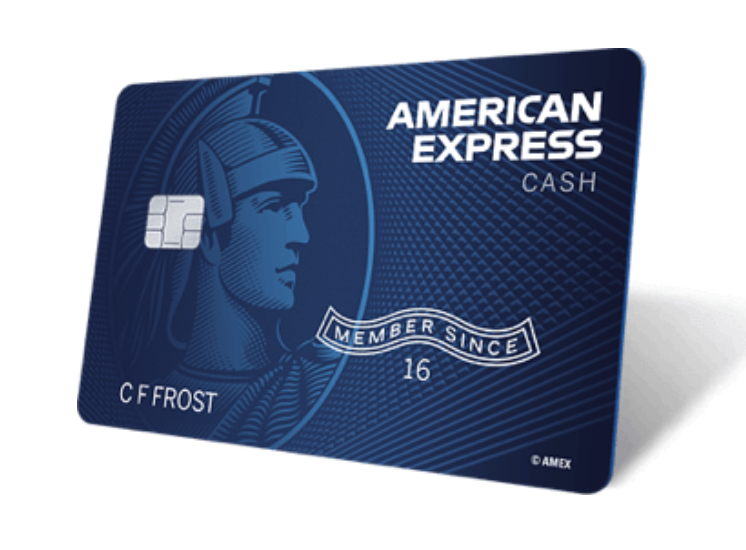
American Express is a large bank and home to some of the best credit and charge cards out there. Traditionally, Amex has focused on high-end products to appeal to affluent cardmembers – but that’s all changed now. Today, there’s a best Amex card for every type of person, and a huge range of great credit and charge card products for every need. In this guide, we’ll explore the best American Express cards currently available.

American Express offers both charge cards and credit cards. See the difference between charge and credit cards here. Basically, charge cards must be paid off in full at the end of the month – so you usually can’t carry a balance. It’s important to understand the difference. Nowadays, Amex offers both types of cards. We’ll show you the best Amex credit card, as well as a variety of great charge cards, in the guide below.
Best American Express Card for Travel: Platinum

Annual Fee: $550 (comes with significant perks)
Credit Needed: Excellent
Signup Bonus: 60,000 Membership Rewards points after spending $5,000 in the first 3 months (signup bonus changes frequently)
Rewards: 5x points on flights & hotels booked directly with Amex; 1x points on all other purchases
Perks: $200 annual airline fee credit; $200 annual Uber ride credit; lounge access; free Global Entry; exclusive event access; dedicated travel concierge; much more
The American Express Platinum is a premium/high-end charge card with a huge number of awesome perks. The downside? A lofty $550 annual fee! But before you write it off, consider this: if you can make use of the $200/year Uber and $200/year airline fee credits, your net annual fee is more like $150 – much more reasonable, but only if you actually use those perks.
In addition to the $200 credits, you also get a fee credit for Global Entry (worth $100), access to the Global Lounge collection of airport lounges, exclusive benefits at the Fine Hotels and Resorts collection, dedicated travel concierge, and MUCH more. The benefits on this card are extensive – it’s up to you to decide whether they’re worth the annual fee.
For frequent travelers and those who enjoy exclusivity and VIP treatment, the Platinum is a great card to have. On the other hand, the fee is very high – and the earning rate of 1x point per $1 spent is very weak. Weigh the pros and cons to see if this card makes sense for you. Also, keep in mind that this is a charge card, not a credit card.
Best Amex Card for Cashback: Blue Cash Preferred

Annual Fee: $95
Credit Needed: Good
Signup Bonus: $200 after spending $1,000 in the first 3 months
Rewards: 6% cashback at supermarkets; 3% at gas stations and department stores; 1% everywhere else
Perks: 0% intro APR for 12 months; purchase and return protection; extended warranty
The Blue Cash Preferred is a great cashback credit card from Amex. 6% cashback on groceries is unbeatable, while 3% on gas and department stores also stacks up quick. The 1% on everything else is mediocre, but your average earnings should still be quite high if you buy a lot of groceries (keep in mind the 6% is capped at $6,000 in spend per year). This is a credit (not charge) card – and it may actually be the best Amex credit card, particularly considering the 0% intro APR.
The card also comes with a solid cash signup bonus of $200 after spending just $1,000. That helps outweigh the annual fee, which is $95 a year. If you’d rather not pay a fee, the similar Blue Cash Everyday has no annual fee, but earns less cashback. There are also plenty of good cashback cards with no annual fee from other banks.
Best No Annual Fee Amex Card: Everyday

Annual Fee: None
Credit Needed: Good
Signup Bonus: 10,000 Membership Rewards points after spending $1,000 in the first 3 months
Rewards: 2x points at supermarkets; 1x everywhere else. 20% bonus when you use your card 20+ times in a billing cycle
Perks: 0% intro APR for 15 months; no balance transfer fee for first 60 days; travel benefits
The Amex Everyday is the best American Express card with no annual fee. It also makes for a great everyday carry – hence the name! The card earns 1 Membership Reward point per $1 spent, and 2x points at US supermarkets. You also get a 20% point bonus if you use your card 20+ times in a billing cycle. Membership Rewards points can be used for a ton of different rewards, ranging from flights to gift cards to cashback.
For a no-annual fee card, the signup bonus is also very solid. 10,000 MR points is worth at least $100, plus there’s 0% APR for 15 months and no fee for balance transfers for the first 60 days. These signup bonuses are subject to change any time, but this particular offer is great for this card.
Best American Express Airline Card: Delta Gold

Annual Fee: $95, waived for the first year
Credit Needed: Good to excellent
Signup Bonus: Varies. Currently 30,000 Delta miles after spending $1,000 in 3 months
Rewards: 2x Delta miles on Delta purchases; 1x miles on all other purchases
Perks: Priority boarding and first checked bag free on Delta flights; travel benefits
The Gold Delta Skymiles credit card from American Express is a great option for frequent fliers – particularly those who like to fly Delta. It offers some ongoing perks for Delta fliers, like priority boarding and free checked baggage. And the signup bonus offers a good chunk of Delta miles towards your next flight.
As of the time of this writing, the signup bonus is only 30,000 Delta miles. This card frequently goes up to 50,000 or even 60,000 – so I wouldn’t recommend applying for the 30k bonus. With that said, if you can get this card with a 50,000+ mile signup bonus, it’s worthwhile. 50k Delta miles is enough for two round-trip domestic tickets.
These are the best American Express cards of 2025, in our opinion. Of course, there are far more available than what’s listed here – see the full list here.
If you didn’t quite find what you were looking for, check out these list of best credit cards from various banks:
What is YOUR favorite Amex card? Let us know in the comments!